
Tips for Cleaning Every Corner of Your Bathroom
Tips for Cleaning Every Corner of Your Bathroom
Bathrooms can easily develop stains and buildup, including soap scum, water spots, limescale, and dark stains along grout lines. The longer these stains are left untreated, the more deeply embedded and difficult to remove they become.
Cleaning your bathroom regularly helps keep it looking fresh, clean, and inviting. Here are some simple tips to make your bathroom-cleaning routine more organized and help you reach every corner more effectively.
1. Start with the Sink and Bathtub
Sinks and bathtubs commonly collect soap scum, water stains, and other dirt. Choose a cleaning product suitable for the surface, then spray or apply it and leave it for a few minutes to help loosen the buildup before scrubbing.
Next, use a sponge or soft-bristled brush and scrub gently in circular motions. Pay special attention to the edges, joints, and areas with stubborn stains, then rinse thoroughly with clean water. This method helps restore a cleaner appearance without causing unnecessary damage to the surface.
2. Polish Faucets and Metal Fixtures
Faucets, showerheads, and other metal bathroom fixtures often develop water stains or limescale that can make them look dull. One simple method is to crumple a small piece of aluminum foil, dampen it slightly, and gently rub it over the stained areas.
This can help remove dull buildup from metal surfaces more easily. However, always test it on a small, inconspicuous area first and avoid applying too much pressure to prevent scratches.
3. Pay Attention to the Floor and Grout Lines
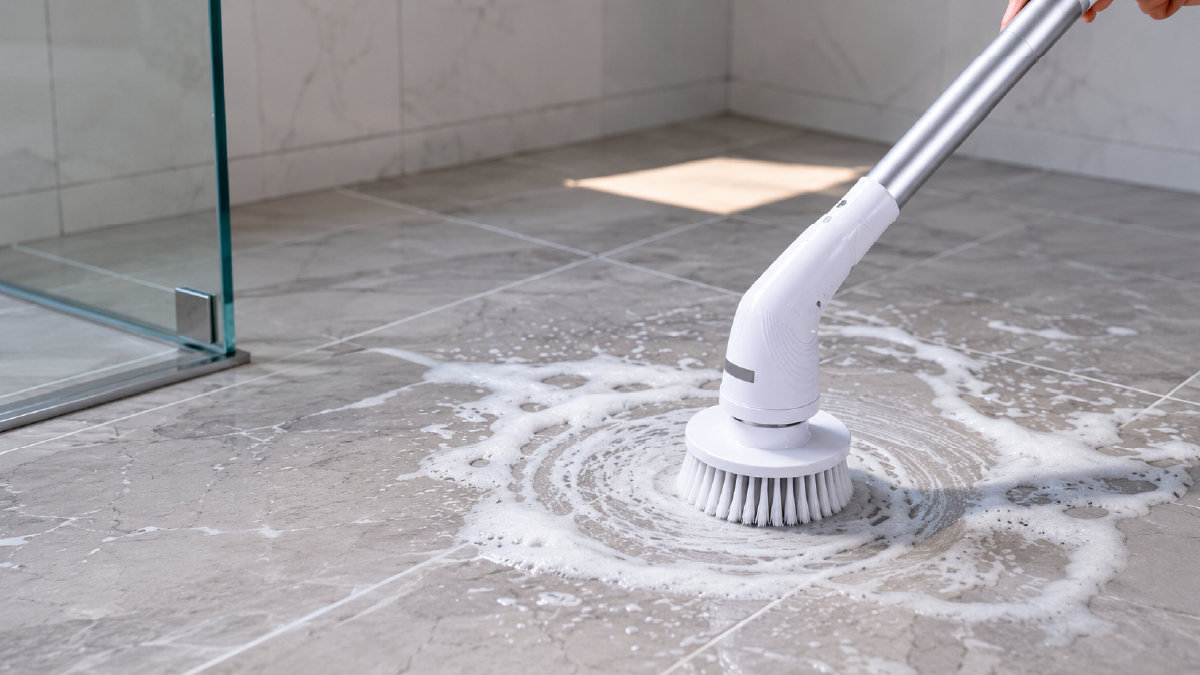
Bathroom floors and grout lines are among the areas most prone to dark stains and soap buildup—especially in room corners, along floor edges, underneath shelves, and around the toilet. Cleaning these areas with a regular brush may require considerable time and effort.
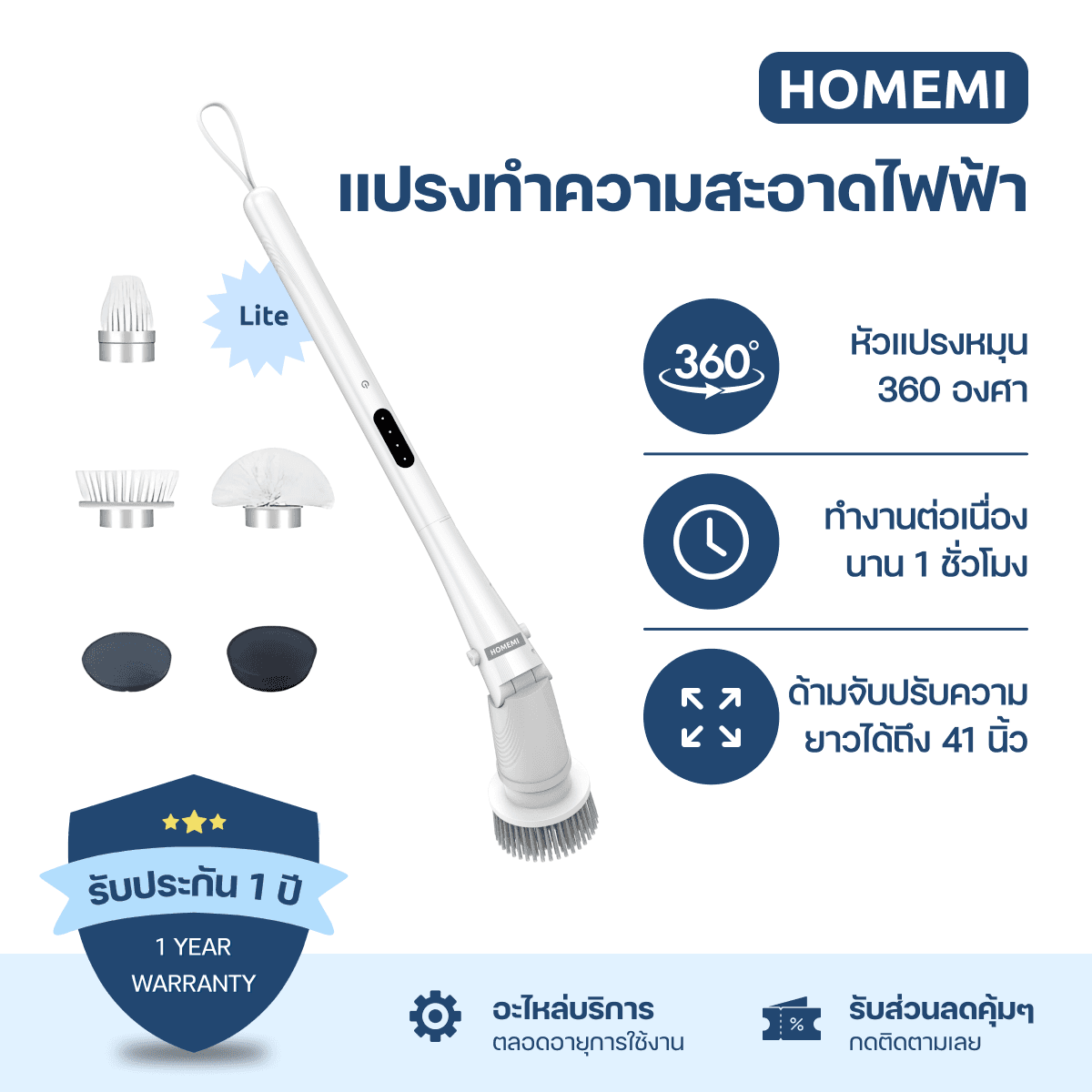
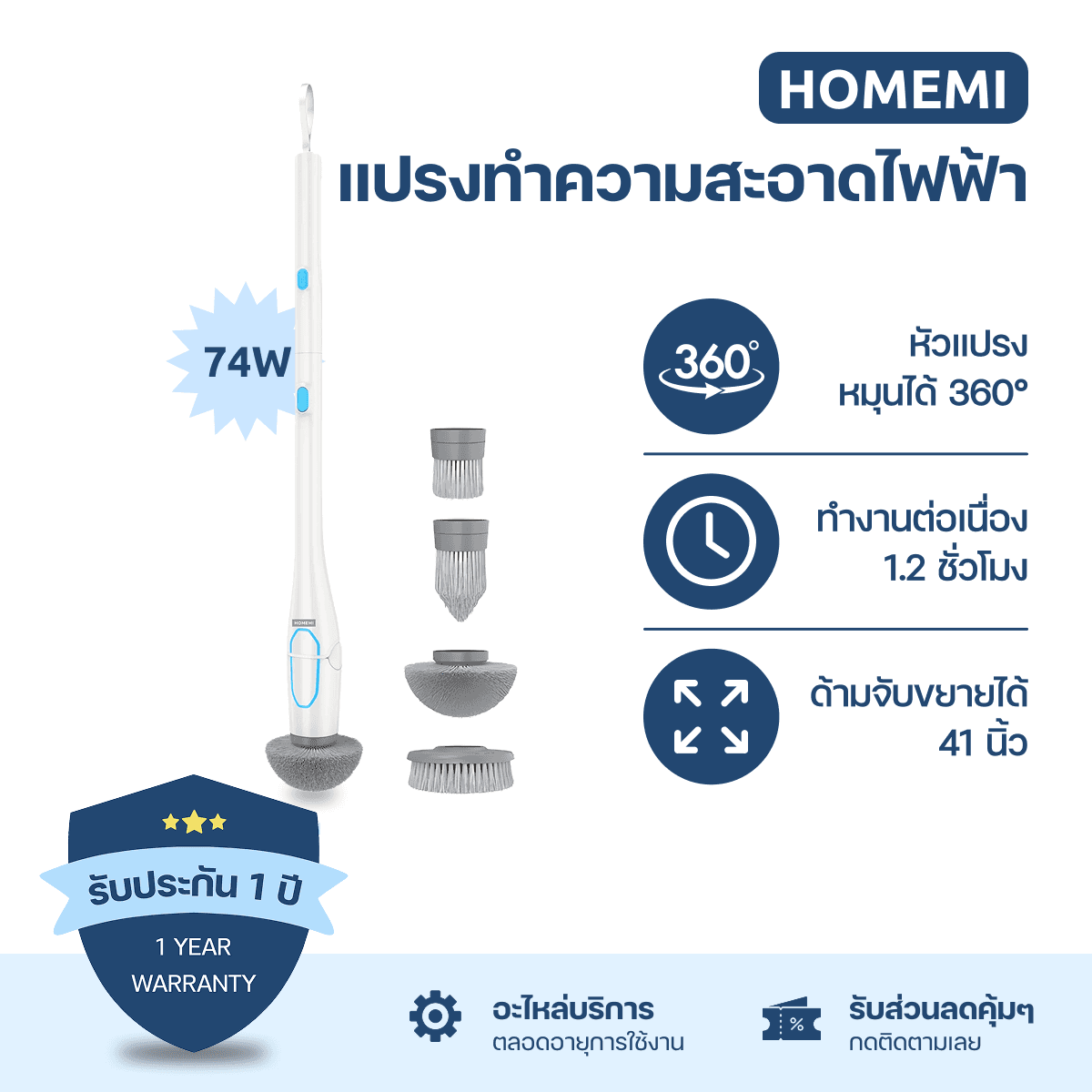
A HOMEMI electric cleaning brush can make floor cleaning easier, reduce physical effort, and help reach difficult corners more effectively. It is particularly useful for grout lines and other hard-to-scrub areas. Choose a brush head that suits the surface, such as a flat brush head for larger areas and a smaller brush head for narrow corners and gaps.
4. Do Not Forget the Area Around the Toilet
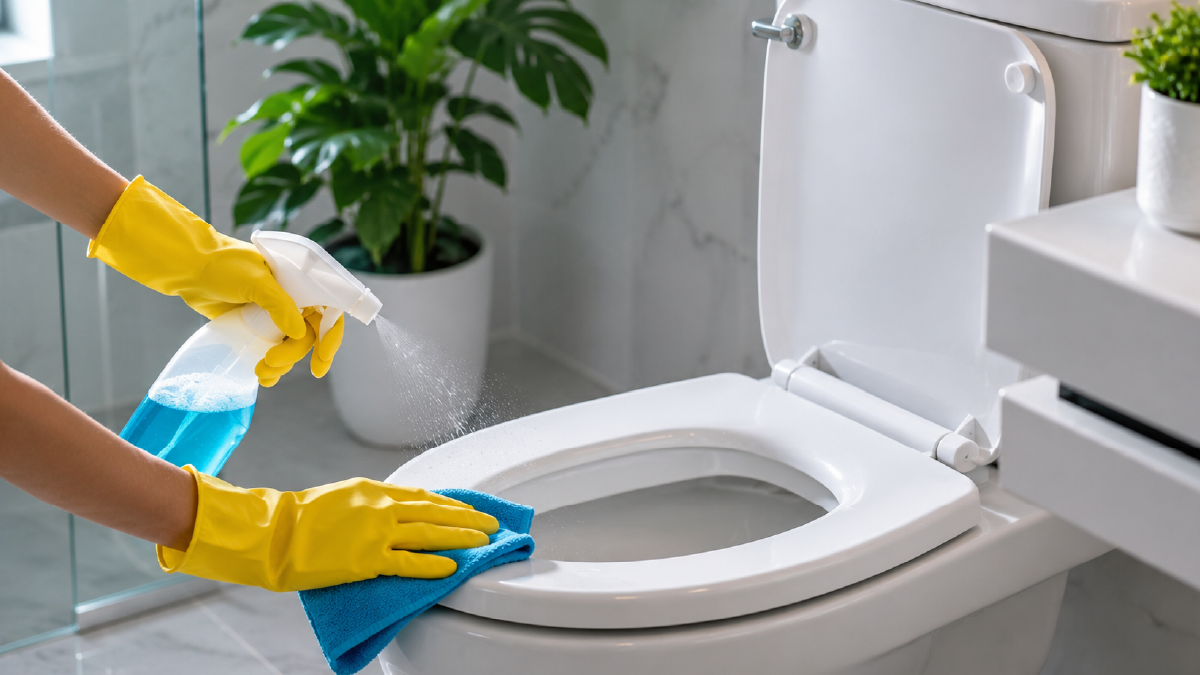
The area around the toilet should be cleaned regularly because water stains, dust, and dirt can easily accumulate there. Spray the surface with a suitable cleaning product, leave it for a few minutes, and then scrub or wipe the entire area thoroughly with a brush or cloth.
Pay special attention to the base of the toilet, the edges of the toilet seat, the area behind the toilet, and the surrounding floor. These spots are often overlooked but can easily accumulate stains and unpleasant odors.
5. Dry All Surfaces After Cleaning
After scrubbing and rinsing, wipe faucets, mirrors, sinks, and shelves dry. This helps prevent new water spots from forming and leaves the bathroom looking cleaner and shinier.
You should also turn on the exhaust fan or leave the bathroom door open for a while to allow moisture to escape. This helps reduce musty odors and lowers the chance of mold developing in corners and other damp areas.
6. Clean Regularly Before Stains Become Stubborn
The key is not to wait until the bathroom becomes heavily soiled before cleaning it. Stains that accumulate over time become much more difficult to remove. Bathroom floors and frequently wet areas should be cleaned at least once or twice a week.
Faucets, mirrors, sinks, and shelves should be wiped down every two to three days to prevent water stains and soap scum from building up. With regular care, your bathroom will stay clean, fresh, and pleasant to use.