How to Manage Food Waste at Home and Keep Your Kitchen Clean and Odor-Free
How to Manage Food Waste at Home and Keep Your Kitchen Clean and Odor-Free
Food waste is one of the main causes of unpleasant kitchen odors, especially in homes where meals are prepared regularly. Food scraps often contain high levels of moisture, decompose quickly, and can easily attract insects or pests. If left for too long, they may cause musty odors, dirty waste bins, or liquid from wet waste to leak onto the floor.
Managing food waste properly is not only about cleanliness. It also helps keep the kitchen pleasant to use, reduce odors and insects, and make household waste separation more organized.
1. Separate Food Waste from General Waste
The first step is to separate food waste from other types of rubbish, such as plastic bags, cardboard boxes, water bottles, and packaging. Food scraps are wet waste that decomposes quickly. Mixing them with general waste causes odors to develop faster and makes the waste more difficult to manage.
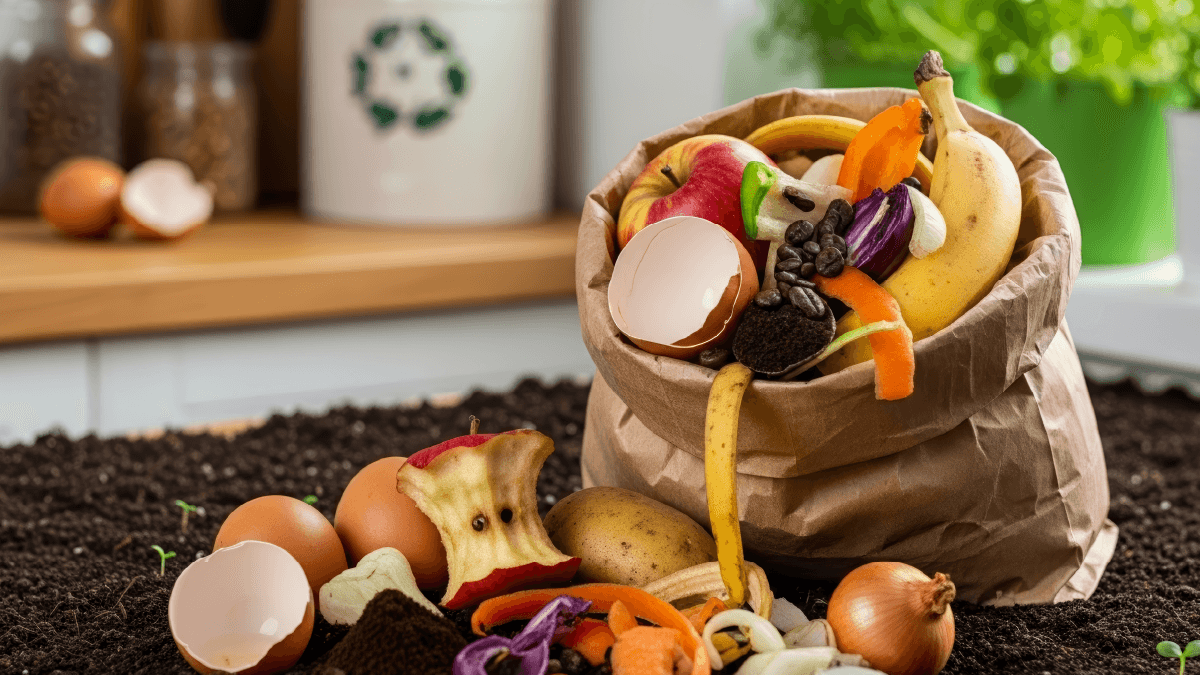
Examples of food waste that should be separated include vegetable and fruit peels, leftover rice, meat scraps, cooked leftovers, fish bones, eggshells, and coffee grounds. Place them in a waste bin with a tightly fitted lid or use a small bag specifically for food waste so that it can be conveniently taken out every day.
2. Remove Excess Moisture Before Disposal
Moisture is one of the main reasons food waste begins to smell quickly. Before disposing of food scraps, drain as much liquid as possible. Pour curry liquid, soup, or other liquids into an appropriate disposal area before placing the solid waste in the bin.
For particularly wet food waste, wrap it in old newspaper or absorbent paper before placing it in the bag. This helps prevent leaks, reduce odors, and keep the waste bin cleaner.
3. Do Not Leave Food Waste Overnight
Some types of food waste have strong odors and spoil quickly, including seafood, meat, oily food, heavily seasoned dishes, and fermented or pickled food. Leaving them overnight can cause odors to build up in the kitchen and attract insects.
Take food waste outside every day, especially after preparing dinner or washing the dishes. If you cannot dispose of it immediately, tie the bag securely and store it in a bin with a tightly fitted lid.
4. Clean the Waste Bin Regularly
Even when you always use a bin liner, liquid stains, odors, and small pieces of food may still remain inside the waste bin. Wash the bin at least once a week, or more frequently if it is heavily used.
After washing, dry the bin completely before inserting a new bag. A damp bin can quickly develop musty odors. You can also sprinkle a small amount of baking soda at the bottom of the bin or place odor-absorbing charcoal nearby to help reduce unpleasant smells.
5. Keep the Sink and Drain Clean
Kitchen odors do not always come from the waste bin. They may also come from small pieces of food trapped in the sink, sink strainer, or drain.
Remove food scraps from the strainer after washing the dishes and clean the sink thoroughly. Do not allow grease or food residue to remain. If you notice an unpleasant odor, use warm water mixed with baking soda or a cleaning product suitable for drains to help reduce buildup and odors.
6. Compost Suitable Food Scraps
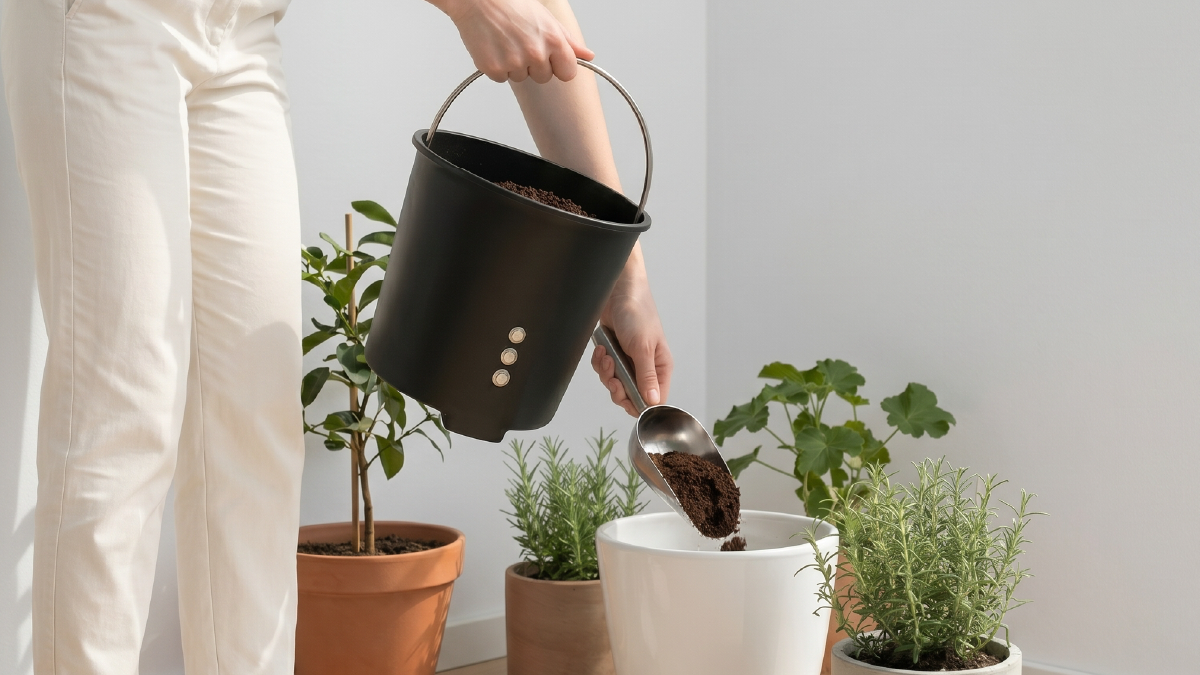
For homes with outdoor space or plants, certain types of food waste can be turned into compost. Suitable materials include fruit peels, vegetable leaves and scraps, coffee grounds, and finely crushed eggshells. Composting helps reduce the amount of wet waste in the home while creating something useful for your plants.
However, avoid composting meat, seafood, oily food, and heavily seasoned dishes, as these may produce strong odors and attract pests.
7. Use a Food Waste Composter in the Kitchen
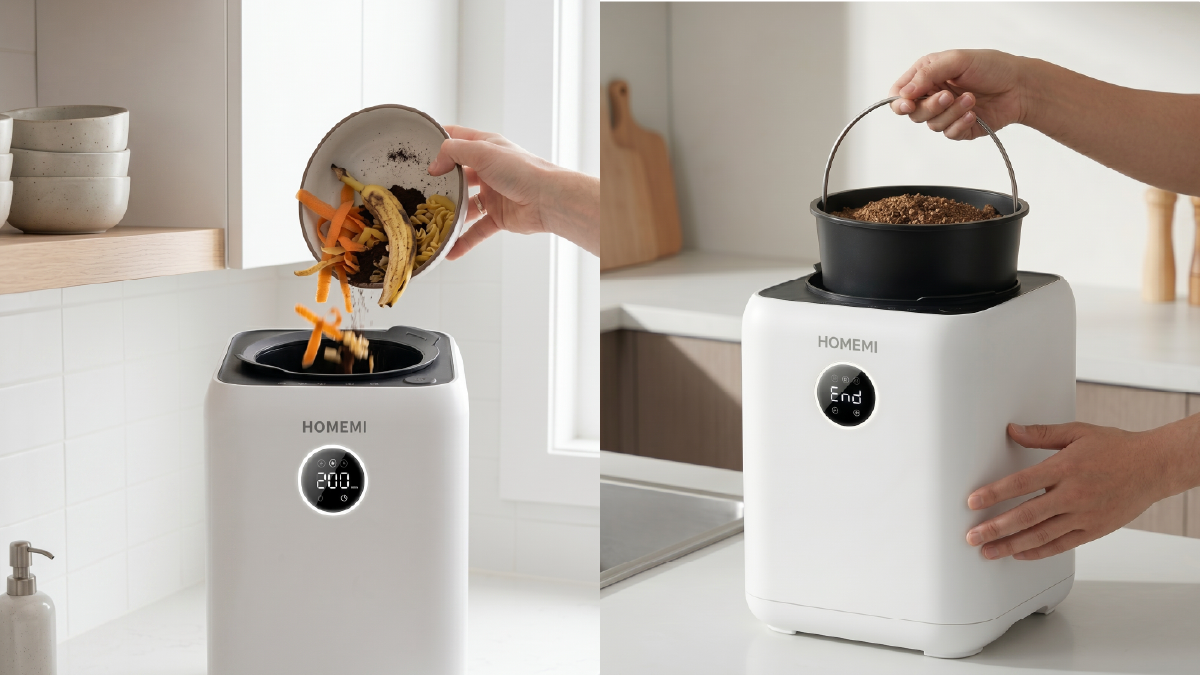
For households that cook frequently and produce wet waste every day, a food waste composter can make food-waste management more convenient. It helps reduce the volume of wet waste, simplify disposal, and keep the kitchen cleaner and more organized.
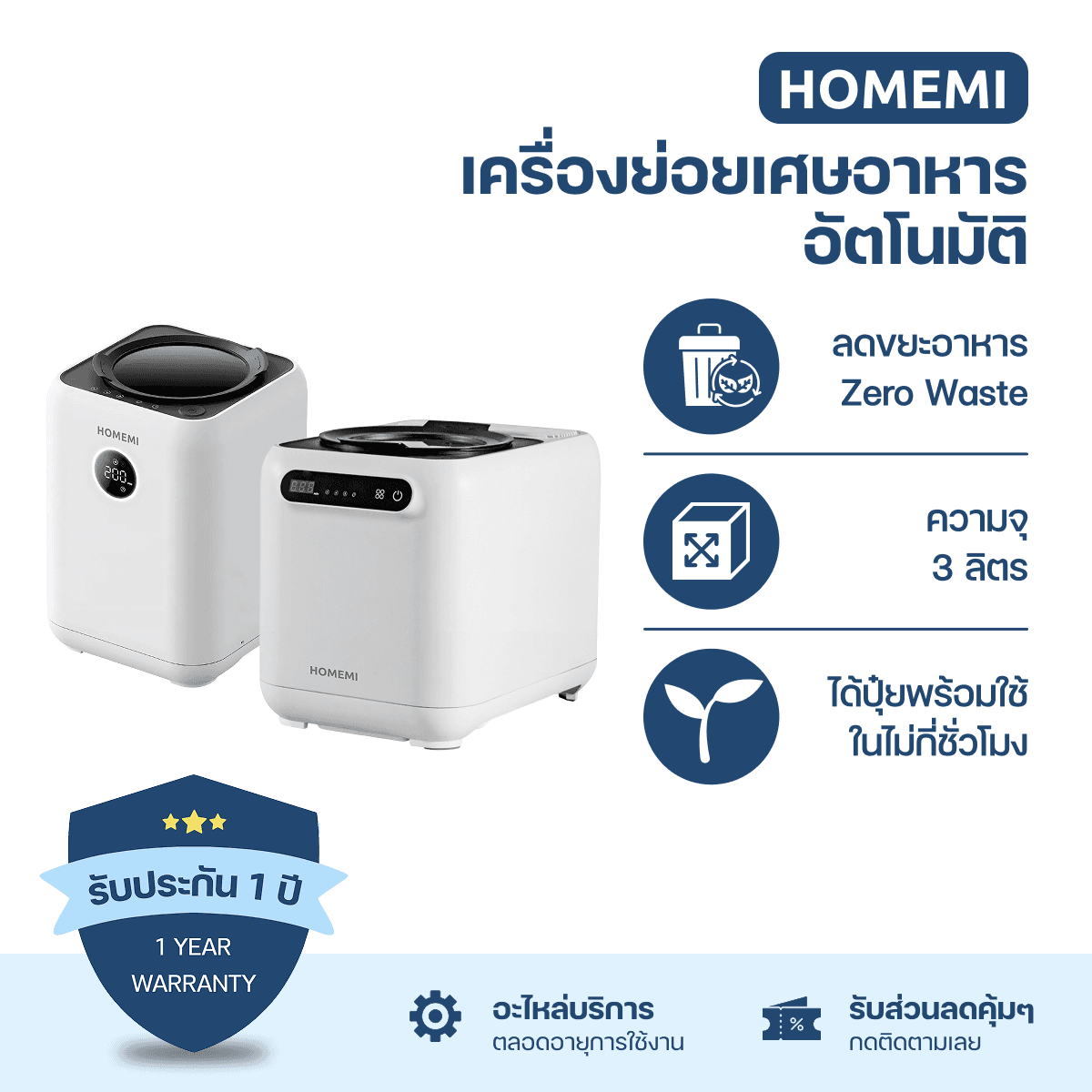
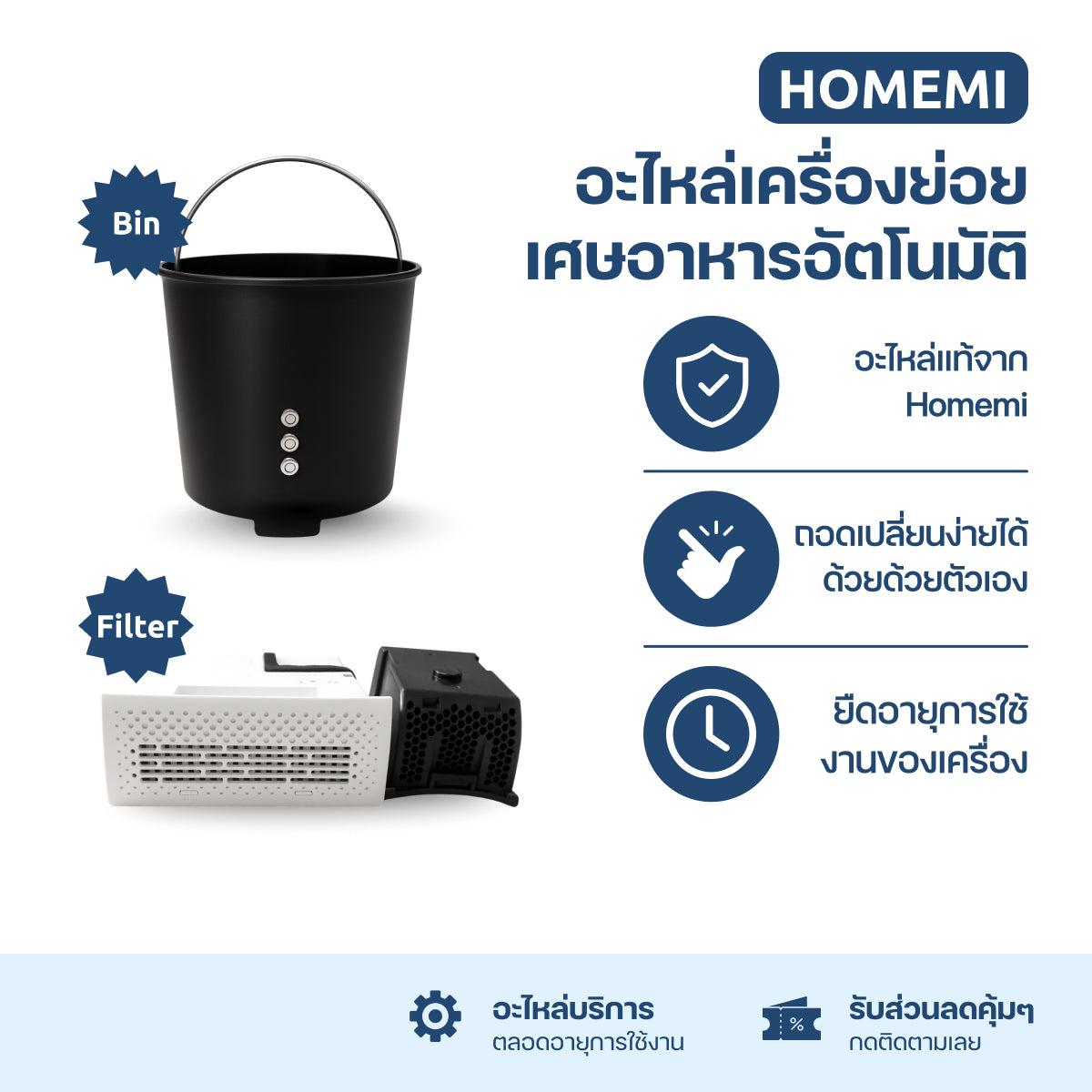
The HOMEMI Food Waste Composter is suitable for households that want to manage food waste at the source, including fruit and vegetable scraps, trimmings from food preparation, and leftovers after meals. It helps prevent the waste bin from filling up too quickly, reduce accumulated odors, and lower the chance of insects appearing in the kitchen.
Always follow the instruction manual and avoid placing hard objects or unsupported materials inside the machine. Proper use will help the composter operate efficiently and extend its service life.